
The Maison Jahvauns Perspective on Material, Contrast and the Quiet Beauty of a Layered Interior
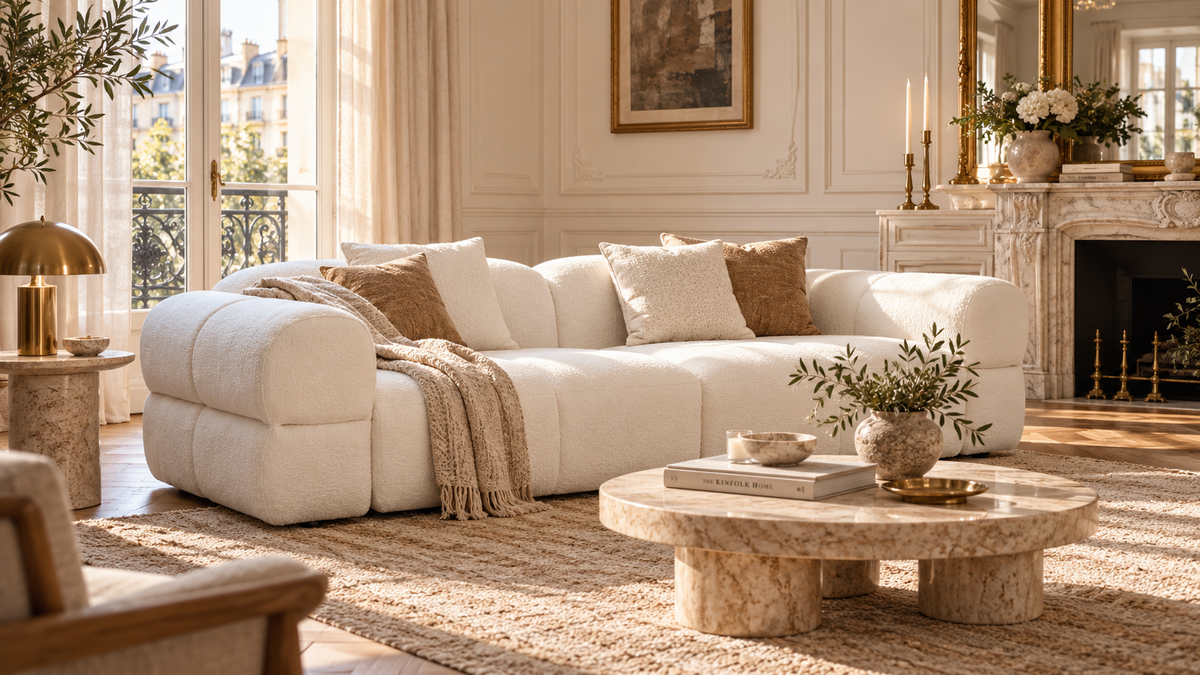
There is a particular kind of elegance found in rooms that feel as though they have evolved naturally over time. A linen sofa sits beside a richly grained wooden table. A velvet armchair introduces softness against the cool surface of marble. An aged brass lamp catches the afternoon light, while a woven rug brings warmth beneath the furniture.
Nothing is identical, yet everything belongs. This is the art of layering textures: creating depth through the thoughtful relationship between materials, rather than relying on colour or decoration alone.
In the most beautiful interiors, texture is rarely the first thing we notice. Instead, we experience its effect. A room feels inviting, balanced and quietly luxurious, even when its palette is restrained.
At Maison Jahvauns, we believe that the character of a living room is shaped as much by the materials we choose as by the furniture itself. The softness of upholstery, the natural variation of timber and the enduring presence of stone each contribute something different.
When these elements are brought together with intention, a living room becomes more than a collection of beautiful pieces. It becomes a space with warmth, individuality and a sense of permanence.
The Beauty of Contrast
The secret to a beautifully layered interior is not an abundance of different textures, but the contrast between them. Soft materials become more inviting when placed beside structured surfaces. Natural wood feels warmer against stone. The gentle irregularity of woven upholstery provides a beautiful counterpoint to the smooth finish of a polished table. Consider a living room furnished entirely in cream.
Without variation in material, even the most carefully selected pieces can begin to feel visually flat. Introduce a linen sofa, a softly textured armchair, a travertine coffee table and a dark wooden cabinet, however, and the same palette takes on depth. Each surface responds to light differently. Each material introduces its own character. The result is a room that feels considered without appearing overly coordinated.
This approach is particularly effective in neutral interiors, where subtle differences in texture can provide the interest that stronger colours might otherwise create. The Maison Jahvauns approach is simple: allow contrasting materials to complement one another, rather than compete for attention.
Begin With the Larger Pieces

The foundation of a layered living room begins with its most substantial furniture. A sofa establishes much of the room's visual character. Its upholstery, silhouette and proportions influence the materials that will sit comfortably around it.
Natural linen and linen-blend fabrics introduce a relaxed elegance. Their subtle woven texture feels particularly beautiful alongside dark timber, pale stone and traditional architectural details. Velvet offers a different expression of luxury. Its softly reflective surface can introduce richness into an otherwise understated interior, especially when used on an armchair or accent chair rather than throughout the entire room.
Chenille and other textured upholstery fabrics bring depth through their surface and softness, making them particularly effective in spaces designed for comfort. The key is not to introduce every fabric at once.
A generously upholstered sofa might be complemented by a wooden-framed armchair, allowing the exposed timber to contrast with the softness of the larger piece. Alternatively, a sculptural upholstered chair can provide a more expressive focal point within a restrained setting.
A rust-toned upholstered armchair, for example, can introduce warmth and individuality to a living room dominated by cream, taupe and natural wood.
The Thibault 92cm Rust Upholstered Armchair with Cushioned Seat and Back Cushion offers a beautiful expression of this contrast, with its generous upholstery and warm, earthy colour bringing depth to a restrained interior.
For a closer look at how an accent chair can complement the surrounding furniture, explore our guide to styling an armchair in your living room like an interior designer, where we consider placement, proportion and thoughtful finishing details.
Introduce the Warmth of Natural Wood
Few materials bring the same sense of familiarity and permanence to an interior as natural wood. Its grain, tone and subtle variations introduce character that cannot be replicated through colour alone. In a living room, timber can provide a grounding element among softer furnishings.
A substantial wooden coffee table brings warmth to pale upholstery. A dark oak cabinet introduces definition against ivory walls. A beautifully crafted sideboard can connect the room's furniture with its architectural surroundings.
For those introducing a substantial wooden piece into their interior, our guide to choosing the perfect sideboard for your home explores proportions, materials and the role of considered storage furniture in a beautifully balanced room.
Different wood tones create different impressions. Lighter finishes often feel relaxed and airy, while darker woods can introduce richness and a sense of heritage. There is no requirement for every wooden piece to match.
Indeed, a considered combination of timber tones can make a room feel more collected and personal, provided the finishes share a harmonious warmth or complement the wider palette. This is particularly characteristic of Parisian-inspired interiors, where antique furniture, contemporary pieces and architectural woodwork often coexist.
At Maison Jahvauns, we are drawn to furniture that celebrates the natural character of its materials. A beautifully finished wooden table should not simply provide a surface. It should contribute texture, warmth and an enduring presence to the room.
Balance Softness With Stone

Where wood introduces warmth, stone brings a quieter sense of structure. Marble, travertine and other natural stone surfaces offer a beautiful contrast to upholstered furniture, particularly when their distinctive patterns and textures remain visible.
A travertine coffee table beside a linen sofa creates a subtle interplay between softness and solidity. A marble-topped console can introduce refinement against textured walls or traditional architectural mouldings. Even a small stone occasional table can bring balance to a generously upholstered armchair. The appeal lies in the relationship between materials.
Stone feels more inviting when surrounded by softer elements. Upholstery can appear richer when contrasted with a smooth or subtly textured mineral surface. Natural variations in colour and pattern also prevent an interior from feeling overly uniform. When introducing stone, consider its visual weight.
A substantial marble table may become a natural focal point, while a smaller travertine piece can provide texture without dominating the arrangement. Both can be beautiful. The choice depends on the proportions of the room and the furniture surrounding it.
Furniture that brings contrasting materials together can offer a particularly considered expression of this approach. The Aurélien Travertine Top & Mango Wood Curved Fluted TV Media Unit combines the mineral character of travertine with the warmth and tactile detail of fluted timber.
The Maison Note - Luxury is often found in the quiet contrast between materials: the softness of linen against stone, the warmth of timber beside marble, and the gentle reflection of brass in natural light.
The Finishing Touches

Once the larger furniture pieces establish the room's character, smaller details can introduce the final layers of texture. A woven rug brings softness beneath a coffee table and helps visually connect the seating arrangement. Cushions can introduce a complementary fabric, while a carefully placed throw makes an armchair or sofa feel more inviting. The intention should be to add depth, not decoration for its own sake.
A linen sofa may benefit from a single velvet cushion or a softly woven throw. A richly upholstered armchair, by contrast, might require very little additional styling. Lighting introduces another important material dimension. Aged brass, antique bronze and softly finished metals can bring a gentle warmth to neutral interiors. Their reflective surfaces contrast beautifully with matte upholstery, natural timber and stone.
Lighting also shapes how these materials are experienced throughout the day. Our guide to layering living room lighting like an interior designer explores how ambient, task and accent lighting can bring warmth, depth and balance to a space.
A slender brass reading lamp beside a linen armchair can feel elegant without becoming overly decorative. Similarly, a ceramic table lamp can introduce an organic, tactile quality to a wooden console. Decorative objects should be selected with the same restraint.
A handmade ceramic vessel, a small stack of books or a sculptural stone object may be enough to complete an arrangement. Leave room for the furniture itself to be appreciated. A beautifully layered interior is not one in which every surface has been filled, but one in which each material has space to contribute.
A Parisian Approach to Layering
Parisian interiors offer a particularly compelling example of how contrasting materials can create a timeless atmosphere. Traditional wall mouldings may sit behind contemporary upholstered furniture. An antique wooden cabinet might stand beside a sculptural stone table. A modern armchair can feel entirely at home beneath an ornate ceiling or beside a marble fireplace.
The beauty of these spaces lies in their sense of individuality. They do not appear designed around a single furniture collection or decorative trend.
For further inspiration on bringing this collected elegance into your home, discover how to curate a Parisian salon, exploring timeless furniture arrangements, architectural character and the beauty of combining different design influences.
Instead, their character emerges through the relationship between pieces with different histories, silhouettes and materials. A restrained palette often helps bring these elements together.
Warm ivory walls, natural oak flooring, soft linen upholstery and aged metallic details create a foundation in which richer textures can be introduced without overwhelming the room. A velvet chair might provide a moment of colour. A dark wooden table may introduce contrast. A softly woven rug can connect the arrangement. The room feels layered, yet never unnecessarily complicated.
This is the quality we find most compelling in Parisian-inspired interiors: the confidence to combine different materials while maintaining a sense of harmony. The result is not perfection through matching, but elegance through thoughtful contrast.
The Maison Jahvauns Perspective
At Maison Jahvauns, we believe that the most enduring interiors are shaped by materials that become more meaningful through everyday living.
Beautiful furniture should offer more than an immediate visual impression. It should contribute comfort, character and a sense of belonging to the home. The natural grain of wood, the softness of upholstery, the distinctive surface of stone and the gentle warmth of brass all have a role to play.
None needs to dominate. When selected thoughtfully, these materials create interiors that feel balanced, personal and quietly luxurious. Layering textures is not about following a formula or introducing as many finishes as possible. It is about recognising the beauty of contrast and allowing individual pieces to work together naturally. A room can be richly layered while remaining wonderfully simple. And often, it is this restraint that makes it feel truly timeless.
Editorial Standards
Written by Shackeem — Founder & Furniture Curator, Maison Jahvauns
Maison Jahvauns was founded with a simple belief: exceptional furniture should be timeless, thoughtfully curated and designed to elevate the way we live. Every collection is personally selected by Shackeem, with a focus on refined craftsmanship, elegant proportions and enduring design inspired by Parisian interiors.
The Jahvauns Journal reflects the same philosophy. Our editorial features explore the materials, design influences and styling principles that shape timeless interiors, offering inspiration rooted in thoughtful furniture curation rather than passing trends.
Our Editorial Promise
Every article published in The Jahvauns Journal is independently written by Maison Jahvauns and reviewed for accuracy before publication. Our editorial content reflects our commitment to considered design, refined materials and practical inspiration for creating elegant homes.
We regularly review and update our content to ensure it remains relevant and valuable to our readers.
Last updated: 15 October 2026
Part of The Jahvauns Journal — Curated guides for timeless interiors.
Continue Exploring Maison Jahvauns
A beautifully layered living room begins with furniture that brings together considered proportions, refined materials and enduring character.
Explore The Parisian Salon Collection to discover elegant seating, sculptural tables and timeless furniture designed to complement a thoughtfully curated interior.
For further inspiration, discover the wider Jahvauns Journal, where we explore the art of creating beautiful homes through furniture, materials and considered design.